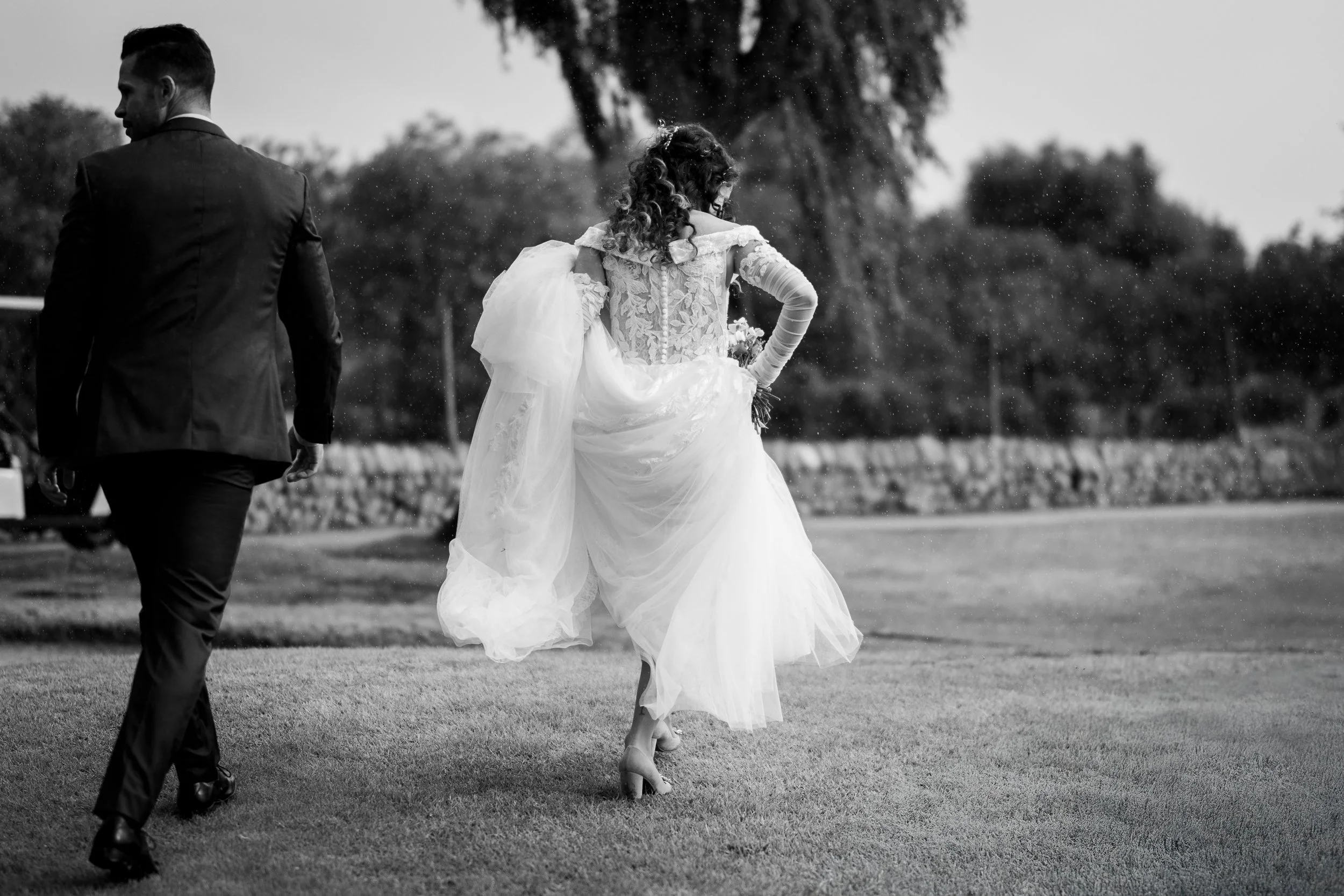
Capturing Love That Lasts, Why Wedding Photography Is More Than Just Pictures
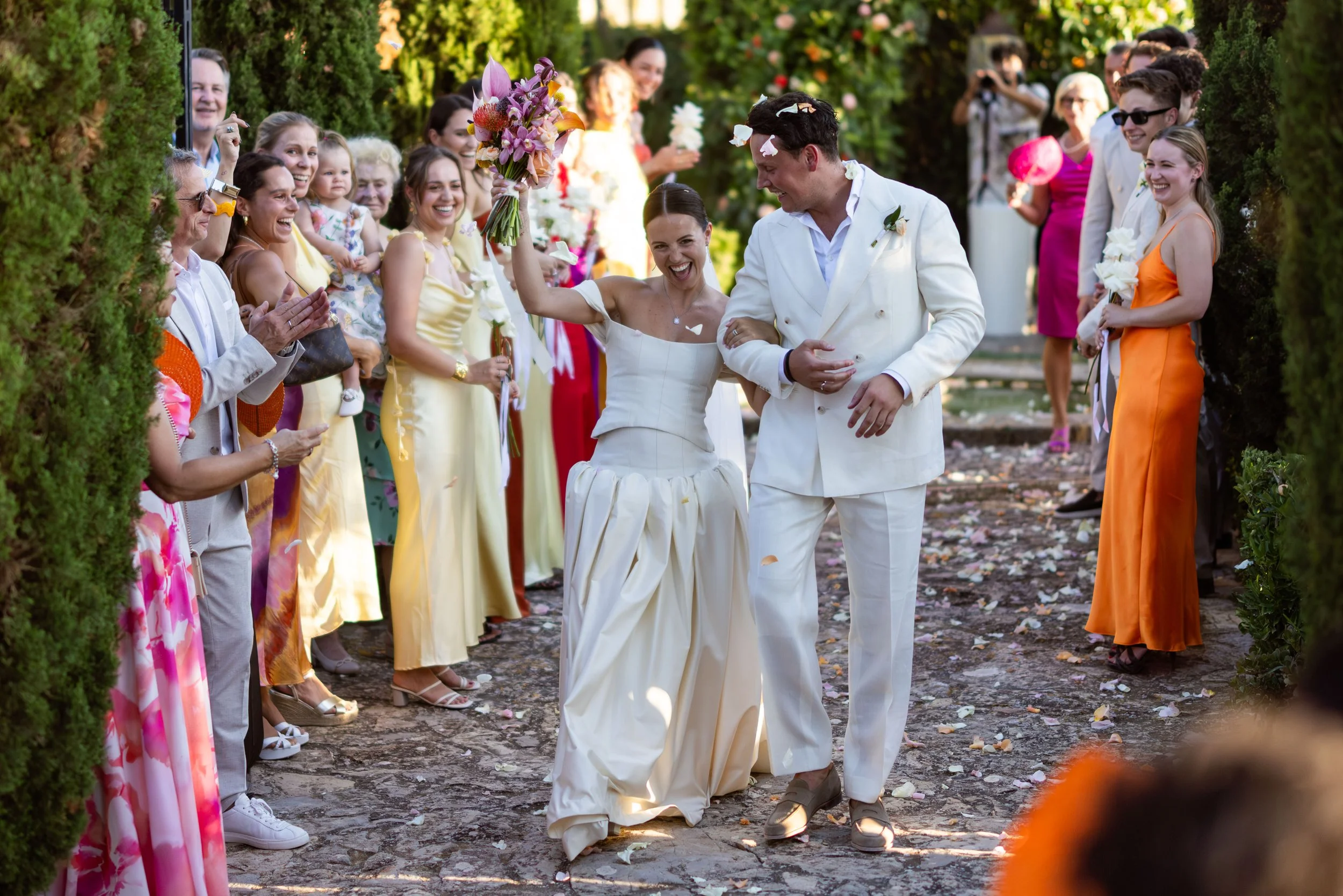
Marriage carries different meanings across cultures. Some see it as a bond of love and companionship, others as a sacred union rooted in faith, respect, and responsibility. In many traditions, marriage is not solely about two people joining in partnership but also about families and communities uniting. What I find truly beautiful is that, despite these differences, marriage ultimately reflects the same heartfelt intention: the commitment to show up for your partner and grow together. Weddings are filled with love and magic, and no two are ever the same. That is what makes them so special.
Think about the last wedding you attended. What’s the first thing that comes to mind? Maybe it’s the way the bride’s dress flowed as she walked down the aisle, the tearful vows, or the wild dance moves at the reception. Now imagine if none of those moments had been captured.
Wedding photography isn’t just about taking pictures. It’s about preserving emotions, telling love stories, and creating memories that last a lifetime. So, how do you make sure those once-in-a-lifetime moments are documented beautifully? Let’s dive into the art and magic of wedding photography.
Every photographer has a unique way of seeing the world, and I find it inspiring to witness how weddings come to life through different lenses. The images you receive will capture the essence of that beautiful day, preserving emotions, fleeting moments, and the love shared. As the years go by, these photographs will serve as a timeless reminder—not just of the day you said “I do,” but of the journey you’ve chosen to embark on together, growing, evolving, and building a life side by side.
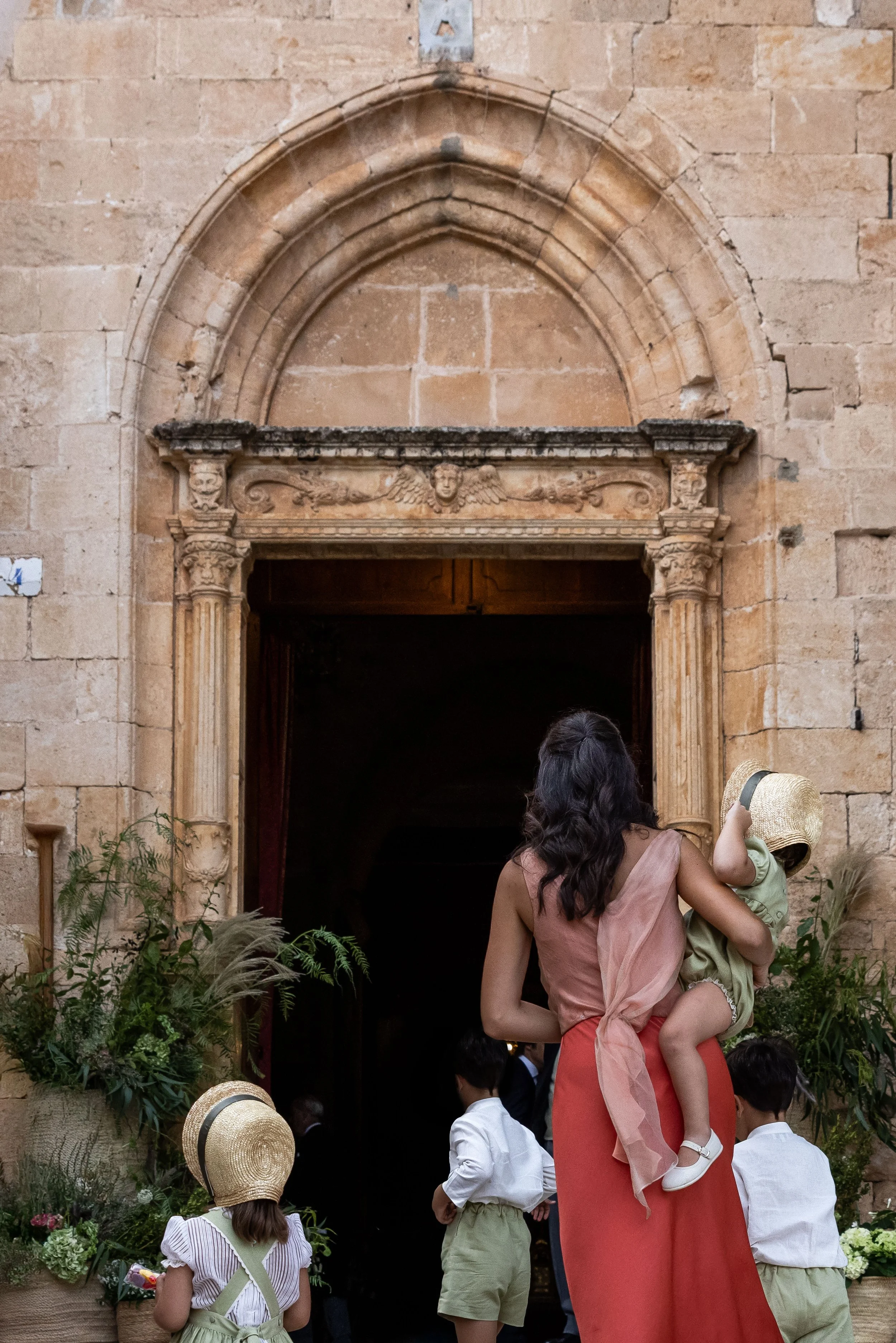
The Art of Wedding Photography
Unlike other photography forms, weddings are a one-time event, leaving no second chances to capture meaningful glances, joyful tears, or spontaneous laughter. A great wedding photographer anticipates these moments, blending technical expertise with artistic vision to create images that feel both timeless and deeply personal.
The Balance Between Posed and Documentary Storytelling
Wedding photography exists on a spectrum, with posed and documentary styles at opposite ends. Traditional posed photography allows for beautifully composed, meticulously arranged images—family portraits, golden-hour couple shots, or editorial-style moments.
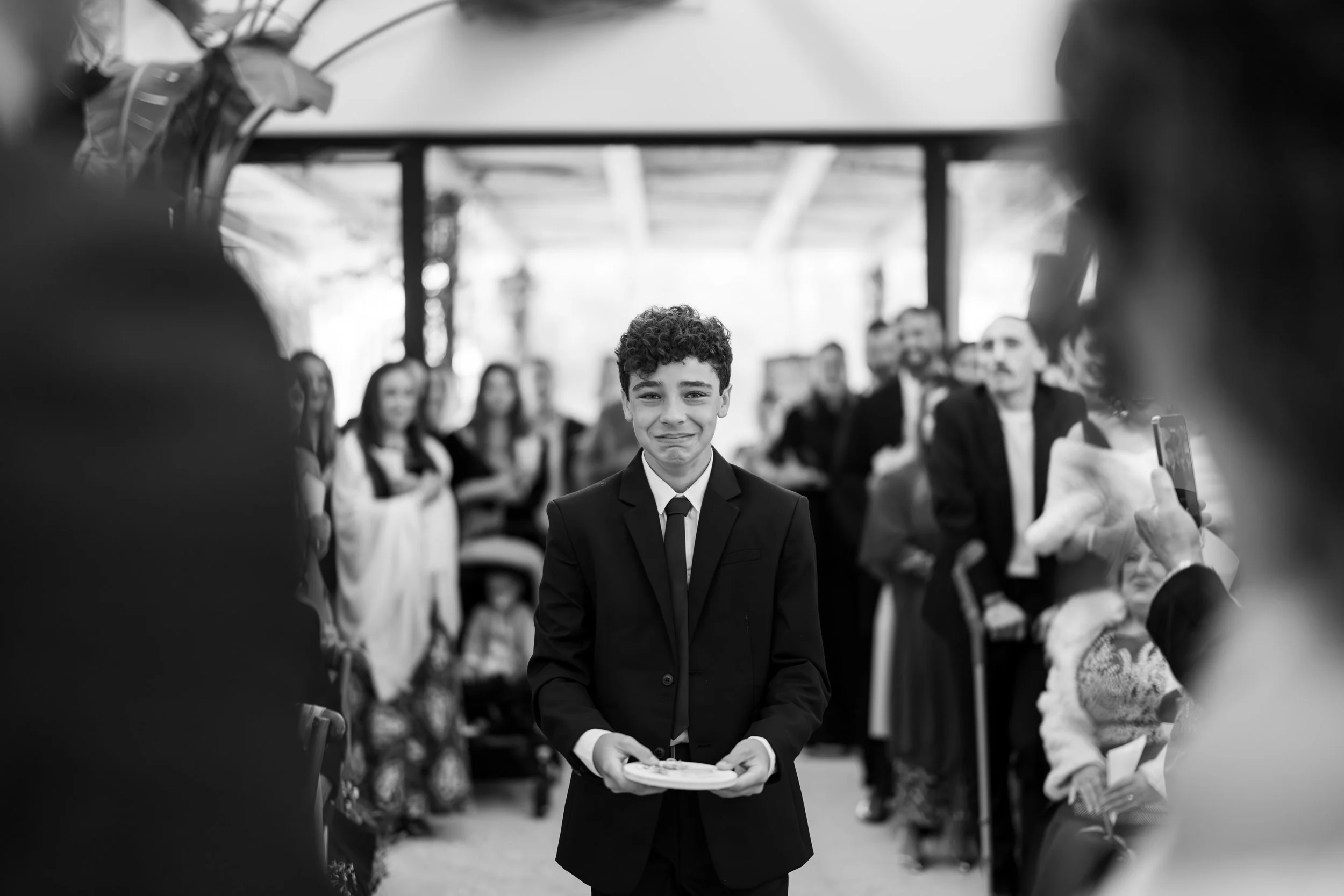
Documentary-style photography, in contrast, embraces spontaneity, capturing raw, unscripted moments. This approach tells the story of the day through a journalistic lens, from the bride’s nervous laughter to the groom’s emotional vows. The best photographers master both styles, knowing when to direct and when to step back.
The Evolution of Wedding Photography Styles
Wedding photography has evolved dramatically, influenced by technology, trends, and client preferences. Decades ago, film photography was the standard, offering a soft, organic quality many photographers still emulate. While digital photography dominates today due to its flexibility, some still incorporate film for its timeless aesthetic.
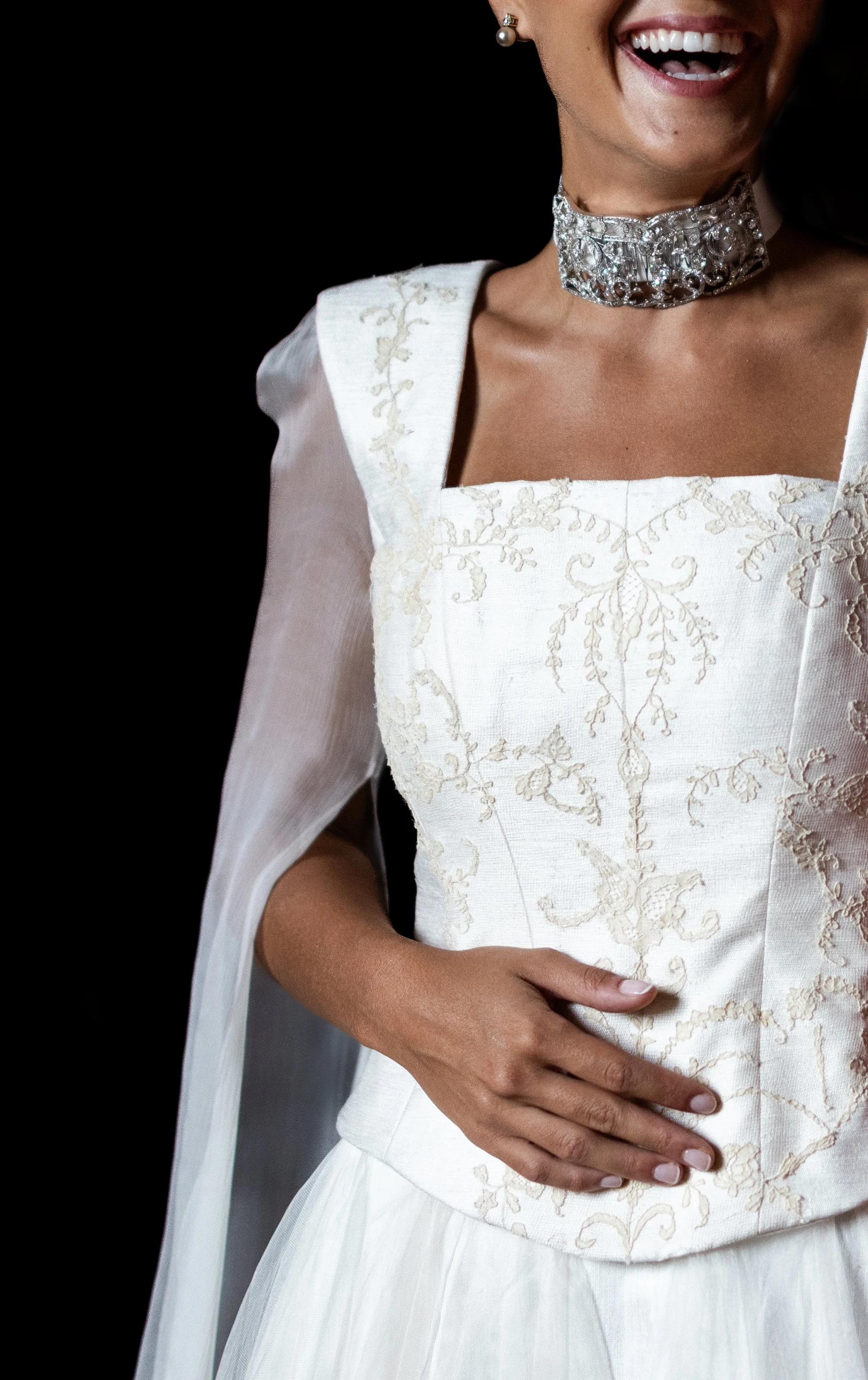
Beyond the medium, stylistic shifts have shaped the industry. Editorial wedding photography, inspired by high-fashion magazines, features curated poses and impeccable styling. Fine art photography blends elegance with a dreamlike quality, using soft lighting and film tones. Others take a pure photojournalistic approach, allowing the day to unfold naturally.
Finding the Right Style for Your Wedding
Every couple has a unique vision for their wedding memories. Some prefer dramatic editorial photography, while others are drawn to the raw authenticity of documentary storytelling. The key is to find a photographer whose style aligns with your personality and vision.
No matter the approach, wedding photography remains one of the most cherished aspects of a wedding day. Long after the music fades, the images remain—a visual narrative of love, joy, and celebration.
What Makes a Photographer the Perfect Fit?
Your wedding photographer will be with you throughout one of the most important days of your life, capturing intimate, emotional moments. Beyond technical expertise, finding the right photographer is about connection, trust, and hiring someone who makes you feel at ease.
The Relationship Between the Couple and Photographer
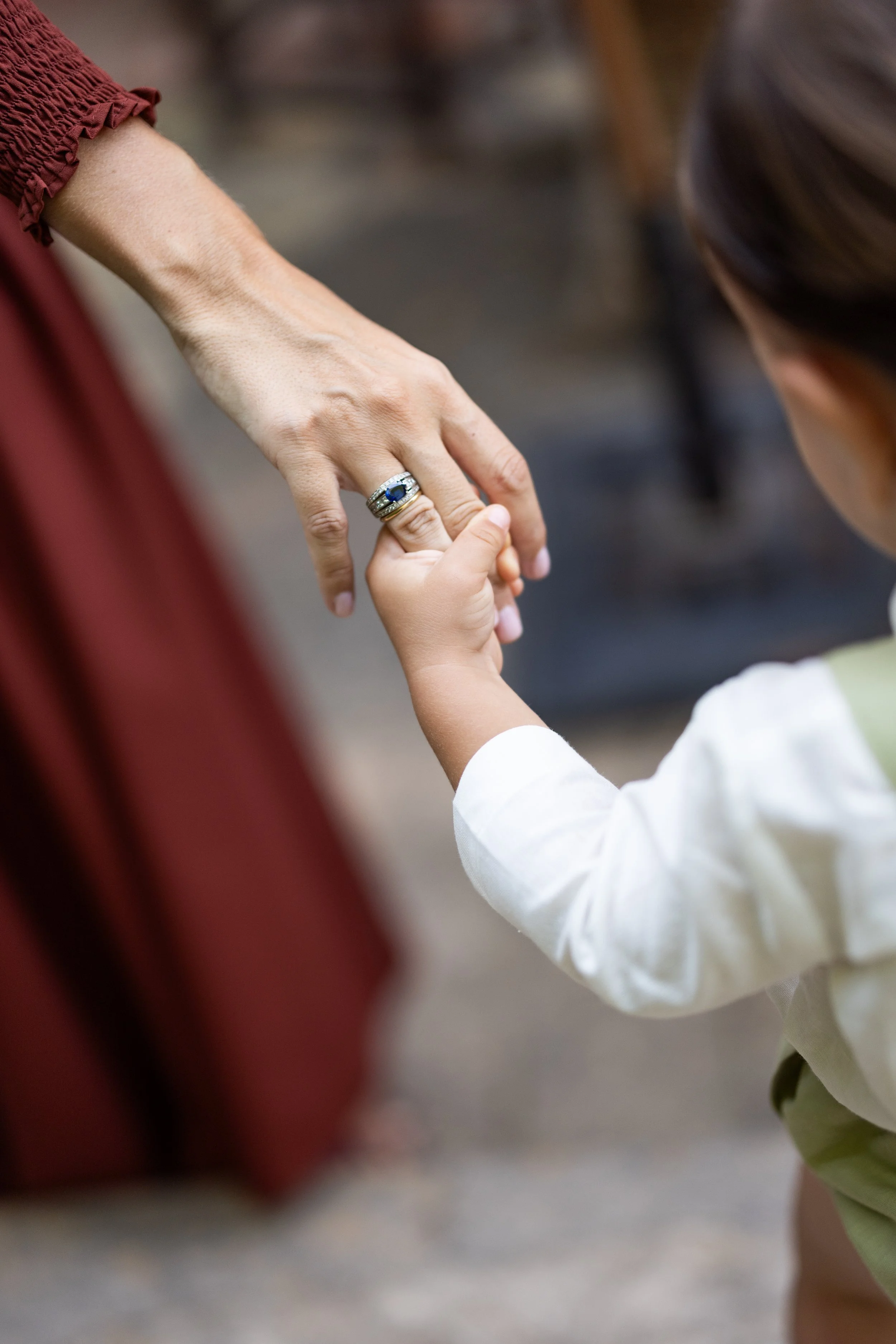
Unlike other vendors, your photographer is there for your entire day—from getting ready to your first dance. Their presence should feel natural and discreet, ensuring you feel comfortable rather than self-conscious.
The best photographers don’t just capture weddings; they become part of the experience, blending in when needed and providing guidance when necessary. Feeling at ease around them ensures your photos reflect authenticity.
Key Qualities Beyond Technical Skill
While talent and experience are crucial, certain personal qualities make a great wedding photographer truly exceptional:
Adaptability – Weddings are unpredictable. A great photographer remains calm under pressure, adjusting to unexpected weather, last-minute changes, or challenging lighting conditions without missing a beat.
Emotional Intelligence – Weddings are filled with emotion, and the right photographer can anticipate key moments—a tearful glance, a burst of laughter, or a reassuring touch without being intrusive.
Communication & Guidance – The best photographers know how to direct couples for portraits while still making the moment feel organic. They also communicate clearly with guests and vendors to ensure everything runs smoothly.
Professionalism & Reliability – Beyond artistry, professionalism matters. A great photographer is punctual, prepared, and organised, ensuring you can fully trust them to document your day flawlessly.
How to Assess a Photographer’s Fit for You
Choosing a photographer isn’t just about loving their portfolio—it’s about knowing they are the right person to capture your day. Here’s how to ensure a great match:
Schedule a Meeting or Video Call – Pay attention to how they communicate. Are they genuinely interested in your love story? Do they ask about your vision and preferences?
Read Client Reviews – Look for feedback about their energy, professionalism, and ability to put couples at ease. A pattern of glowing reviews is a great sign.
Ask About Their Approach – Some photographers take a hands-off, documentary-style approach, while others are more involved in directing shots. Choose someone whose method aligns with your comfort level.
Why Personality Matters
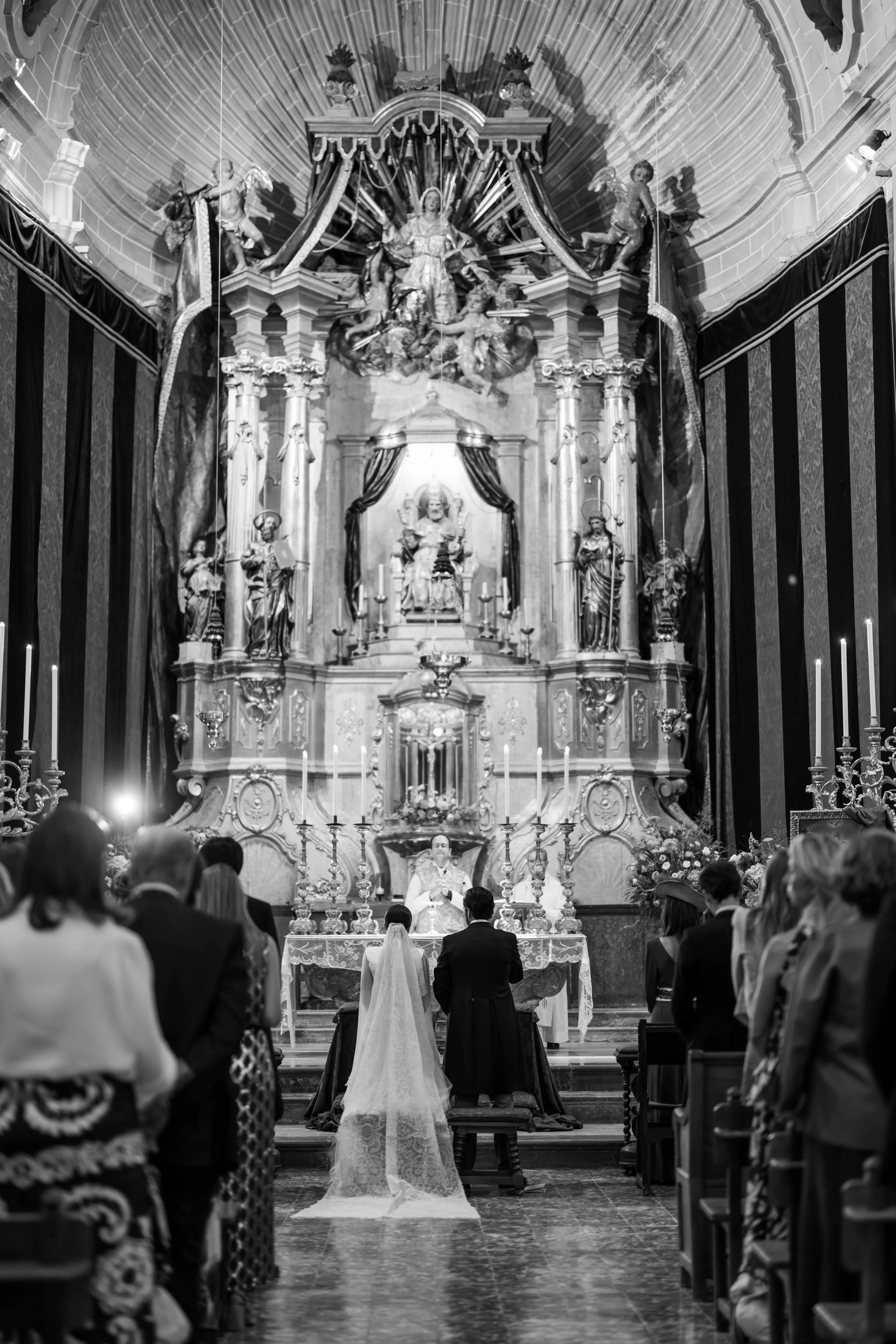
A technically skilled photographer can take stunning images, but if their personality doesn’t match your vibe, it may impact your experience. Do you want someone who blends in like an old friend, or someone who provides more structured guidance?
The best wedding photographer is someone who makes you feel comfortable, understands your love story, and captures your day in a way that feels true to you. When you find the right fit, you’ll know, and your photos will reflect that magic.
A Love Story to Last a Lifetime
Long after the music fades, the flowers wilt, and the last dance is just a memory, the thing remains are the photographs. They hold more than just images; A single frame can take you back to the way your heart raced before walking down the aisle, the warmth of your partner’s hand in yours, or the tearful embrace of a loved one.
That’s the beauty of wedding photography. It’s not just about capturing how your day looked, but how it felt. It’s about preserving the love, the laughter, and the magic of a day that passes far too quickly.
Every couple’s love story is different, and the way it’s told through a photographer’s lens should feel just as unique. Whether it’s the elegance of fine art photography, the raw honesty of documentary storytelling, or the adventurous spirit of a destination wedding, the right photographer will turn fleeting moments into memories you can hold onto forever.
Because in the end, that’s what wedding photography truly is: a love story told in pictures, a reminder of where it all began, and a glimpse into everything yet to come.